
Cape Town Commercial Property Market 2026: First-Principles Analysis – Why Fundamentals Outperform National TrendsPublished: March 20, 2026
By The Cape Town Property Group – Commercial Property Insights
As of March 2026, South Africa’s commercial property sector shows clear signs of recovery, but the story is far from uniform. While national averages reflect lingering challenges, Cape Town commercial property stands out as a resilient, demand-driven market. Industrial leads with tight vacancies and strong rental growth, offices continue their rebound in prime nodes, and retail benefits from tourism and consumer confidence.This in-depth guide uses first-principles thinking to cut through inherited myths and rebuild the Cape Town commercial property landscape from verifiable fundamentals. Whether you’re an investor, developer, occupier, or broker searching for “Cape Town commercial property outlook 2026,” “Cape Town office vacancy rate,” or “industrial property trends Cape Town,” this analysis delivers clarity grounded in the latest data.
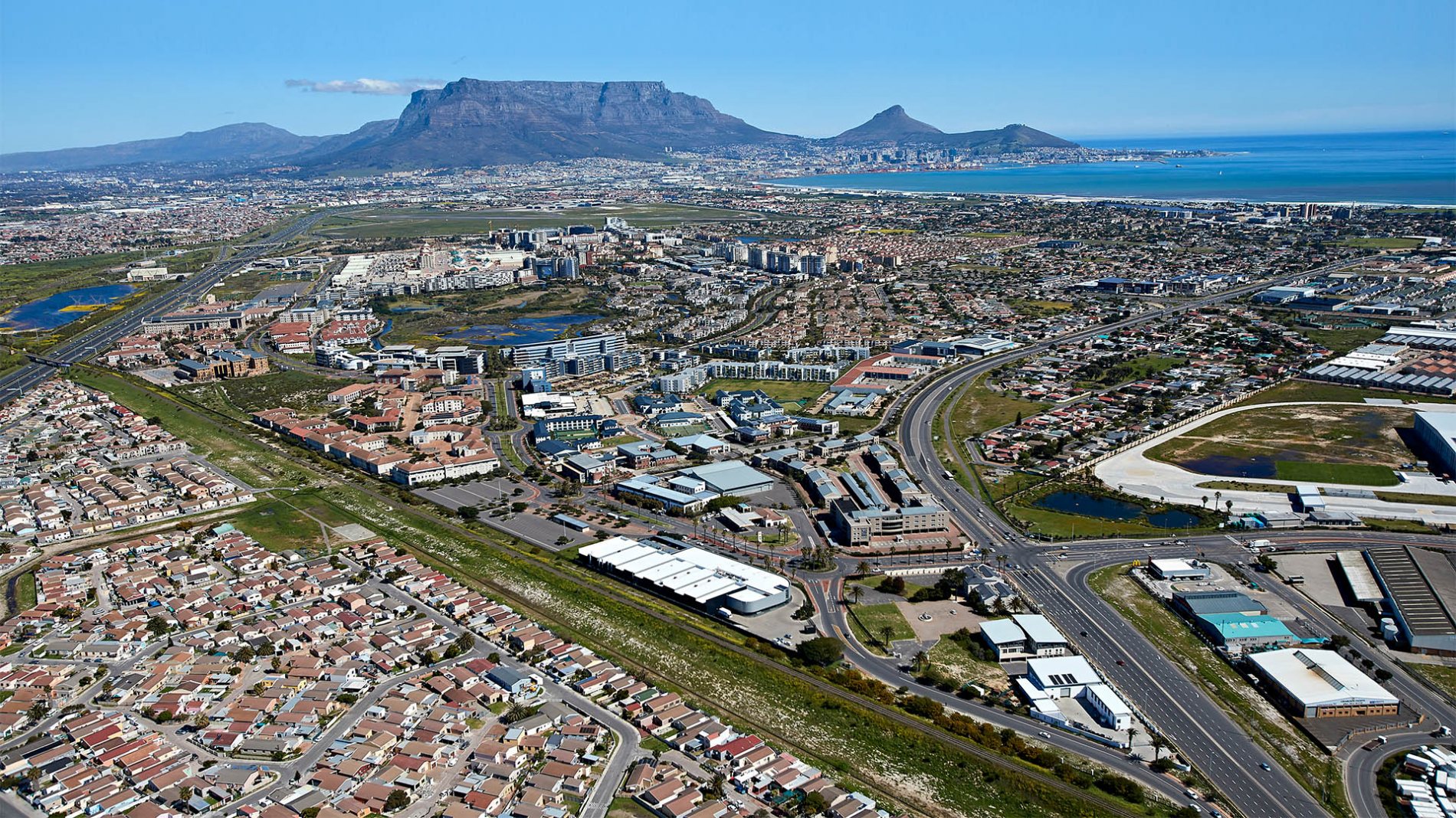
Why Cape Town Commercial Property Deserves Attention in 2026
Cape Town’s market has decoupled from national pressures. Local governance, port and airport logistics advantages, skilled semigration, and tourism recovery create structural tailwinds. Recent reports confirm demand outstrips supply in key sectors for the first time since 2019 surveys began.
Key 2026 drivers include:
- Expected SARB interest rate cuts improving affordability
- Business confidence at record highs in Cape Town CBD (97.8% in Q4 2025)
- Continued e-commerce and logistics demand fueling industrial
- Hybrid work solidifying premium office space needs
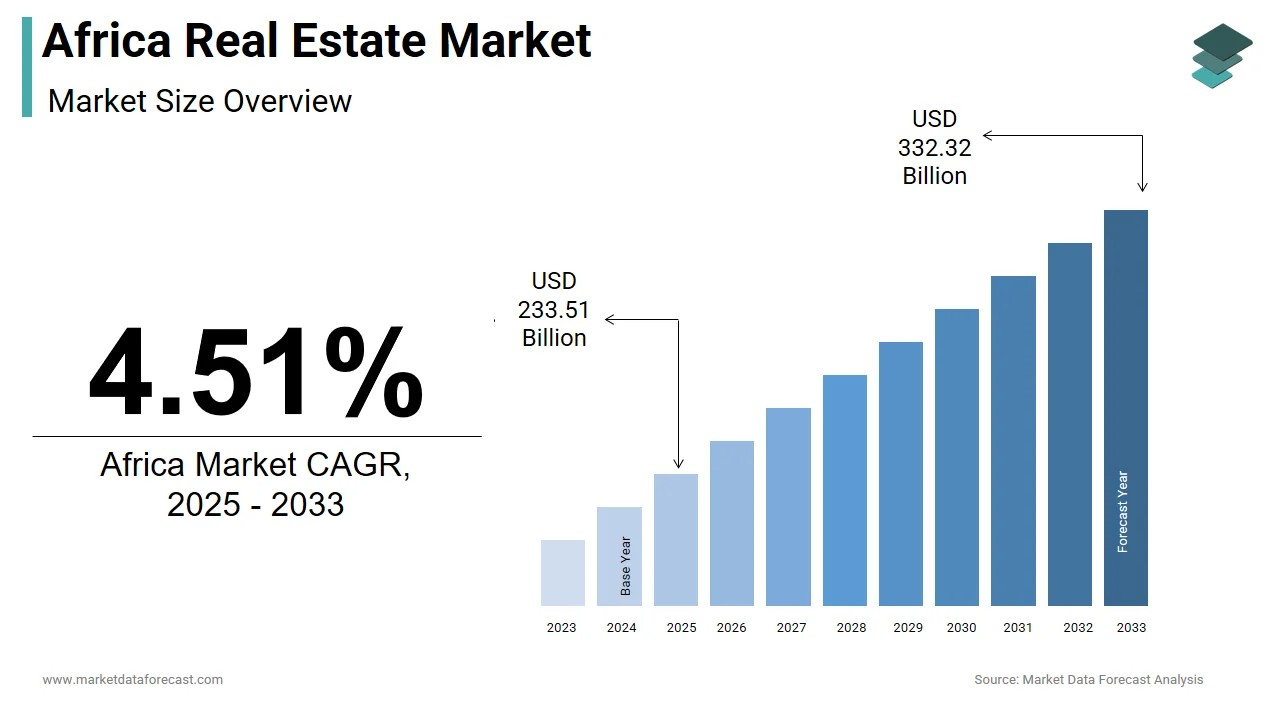
National commercial real estate market growth is projected at a healthy CAGR through the late 2020s, but Cape Town consistently outperforms metros like Johannesburg.
Common Myths About Cape Town Commercial Property
Many investors still carry assumptions from 2020–2023:
- High vacancies plague all SA commercial property
- Offices are obsolete due to remote work
- Retail faces permanent e-commerce decline
- Industrial is low-growth and commoditised
- Cape Town relies on fragile tourism or foreign speculation
- National politics and infrastructure risks make it uninvestable
- Performance is similar across metros
- The market remains unpredictable and cyclical
These views stem from outdated national data. First-principles thinking strips them away.
First-Principles Breakdown: What Is Provably True? – Commercial property boils down to scarce locations where businesses maximise profit through access to talent, customers, logistics, utilities, and governance.
Irreducible truths for Cape Town:
- Fixed land + port/airport create unmatched logistics access
- Net skilled inflow expands talent and consumer base
- Superior local services and energy resilience in nodes
- Tourism and e-commerce amplify demand
- New supply faces high barriers (approvals, costs, scarcity)
Sector-by-Sector Outlook for Cape Town 2026
Industrial Property in Cape Town: The Standout Performer Industrial remains the strongest asset class. National vacancies hover around 3.8%, but Cape Town nodes like Airport Industria, Montague Gardens, Epping, and Parow operate at near-frictional levels (3.2–3.7%).Rental growth continues robustly, with historical YoY figures around 14% in prime stock and expectations for sustained double-digit escalations in tight nodes. Demand from e-commerce (projected to hit 10% of retail sales), last-mile distribution, and supply-chain resilience far exceeds disciplined new supply.
Why it wins: Proximity to transport corridors cannot be replicated quickly. Shortages in central Cape Town push rentals higher (projections R106–R110/m² net for new A-grade in 2026 deliveries). This is a classic landlord’s market with income stability from long-term leases.

Office Market Recovery Accelerating in Cape Town
National office vacancy sits at ~13%, but Cape Town’s prime and decentralised Grade-A nodes report much lower rates—around 5.6–6.1% as of late 2025/early 2026, with further compression expected.
Double-digit nominal rental growth in decentralised precincts (Century City, Tyger Valley, Claremont) reflects return-to-office mandates and demand for collaborative, ESG-compliant, amenity-rich space. Hybrid models select winners: modern buildings thrive while secondary stock lags.

2026 outlook: Lack of speculative development + solidifying hybrid policies = accelerating recovery in prime nodes. Cape Town outperforms national trends materially
Retail Sector: Stable and Outperforming Nationally
Western Cape retail leads with trading density growth above national averages. Super-regionals (V&A Waterfront, Canal Walk) and convenience formats benefit from tourism rebound, high-income inflows, and experiential demand.
Investments in expansions (e.g., Growthpoint projects) signal confidence. Interest rate relief should boost disposable income and tenant performance.
Key insight: Physical retail evolves rather than dies—neighbourhood and mixed-use formats gain share
The Cape Town Decoupling: Local Edge Over National Noise
Cape Town’s governance delivers better infrastructure and services. Energy security in nodes is a premium feature. Semigration feeds skills and spending. Coastal metros show single-digit vacancies in premium grades.Compare to Johannesburg: higher vacancies, slower growth. Cape Town’s logistics moat and business confidence (all-time highs) create measurable outperformance.
What Changes When Myths Are Removed – 2026 Playbook
- Old view: SA commercial too risky
New view: Prime Cape Town assets offer high-conviction opportunities in emerging markets - Old view: Offices dead
New view: Barbell market—prime collaborative space sees premiums; secondary risks obsolescence - Old view: Tourism bubble
New view: Diversified drivers (logistics, semigration, confidence) ensure resilience - Old view: National issues dominate
New view: Local advantages decouple performance - Old view: Any asset works
New view: Grade, location, ESG decide value—flight to quality permanent
2026 expectations:
Landlord’s market in quality assets. Industrial leads (double-digit potential), offices rebound in prime, retail positive. Cap-rate compression in core nodes likely with rate cuts.Risks: Municipal maintenance, global cycles—manageable against tailwinds.
Final View: Cape Town Commercial Property in 2026
At its core, Cape Town commercial property = scarce, productive locations businesses pay premiums to access superior logistics, talent, customers, and stability.
No longer a national sideshow or bubble—it’s a cash-flow-positive, fundamentals-driven story. Developers: prioritise pre-let, ESG projects in proven nodes. Occupiers: secure prime space early. Investors: allocate with conviction to quality Cape Town commercial.
The data, geography, and economics align. Cape Town enters 2026 as one of South Africa’s most compelling commercial property markets.
Sources include Rode Reports Q3 2025, FNB Broker Surveys, SAPOA, local brokerage updates, and market commentary as of March 2026.


Join The Discussion