
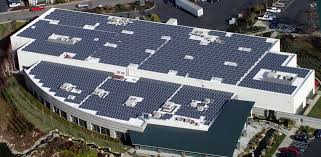
Harnessing Solar Power: Your 2025 Guide to Solar PV Installations in Cape Town
Elon Musk’s words ring true: “We have this handy fusion reactor in the sky called the sun; you don’t have to do anything, it just works. It shows up every day.”
In Cape Town, where sunlight is abundant, solar photovoltaic (PV) roof installations are booming, driven by South Africa’s energy challenges and a global shift toward sustainability. This comprehensive guide, crafted by the Cape Town Property Group, explores the current incentives and legislation governing solar PV systems in 2025, empowering homeowners to navigate the process with confidence. This article covers financial benefits, regulatory requirements, and safety compliance, ensuring you make informed decisions about adopting solar energy.
The Rise of Solar PV in Cape Town: Incentives Driving Adoption
South Africa’s energy landscape, marked by Eskom’s load-shedding and rising electricity costs, has made solar PV systems a compelling solution for Cape Town homeowners. With an average of 8–10 hours of daily sunlight, the Western Cape is ideally suited for solar energy. Current incentives and legislation further enhance the appeal, making solar a financially and environmentally sound investment.
Financial Incentives for Solar PV Installations
The South African government has introduced targeted incentives to accelerate solar PV adoption, reflecting a commitment to renewable energy. While the temporary 25% tax rebate for individuals (up to R15,000) on “new and unused” solar panels ended on 29 February 2024, other incentives remain in place as of August 2025, based on the latest available information:
- Business Tax Incentives (Section 12B): Businesses installing solar PV systems can claim an accelerated capital allowance under Section 12B of the Income Tax Act. This allows a 125% deduction of the cost of renewable energy assets (including panels, inverters, and batteries) in the first year of use, provided the system is used for trade purposes. For example, a R1 million system yields a R1.25 million tax deduction, significantly reducing taxable income. This incentive is particularly relevant for Cape Town’s commercial and industrial sectors, such as retail, hospitality, and manufacturing.
- Municipal Feed-In Tariffs: The City of Cape Town has implemented a feed-in tariff program, allowing homeowners and businesses with grid-tied solar PV systems to earn credits or payments for excess electricity fed back into the municipal grid. As of 2025, the tariff rate is approximately R1.06 per kWh (subject to annual adjustments), providing a steady income stream for solar users. Other municipalities are exploring similar programs, signaling a growing trend.
- VAT Exemptions: Certain solar PV components, such as panels, may qualify for VAT exemptions under specific conditions, reducing upfront costs. Businesses registered for VAT can also claim input tax credits on solar-related expenses, further lowering the financial burden.
- Green Financing: Financial institutions, such as Nedbank and Absa, offer green home loans and solar financing options with favorable interest rates. These loans cover solar PV installation costs, including panels, inverters, and batteries, making solar accessible to a broader range of homeowners.
These incentives reduce the payback period for solar PV systems, typically ranging from 4–7 years, depending on system size, energy consumption, and financing terms. For a 5kW system costing R150,000, annual savings of R20,000–R30,000 on electricity bills, combined with feed-in credits, make solar a lucrative investment.
Property Value Boost
Beyond direct savings, solar PV systems enhance property value. While exact figures vary, industry estimates suggest a 4%–8% increase in resale value, driven by buyer demand for energy-efficient homes. In Cape Town’s competitive property market, where median home prices range from R1.5 million to R3 million, this translates to an additional R60,000–R240,000 in value. Legislation supporting solar energy, such as municipal authorization processes, ensures systems are compliant and insurable, further boosting buyer confidence.
Legislative Framework for Solar PV Installations
South Africa’s legislation governing solar PV installations is designed to ensure safety, grid stability, and compliance with national standards. The Electrical Installation Regulations (EIR) under the Occupational Health and Safety Act (No. 85 of 1993) and the Small Scale Embedded Generation (SSEG) framework form the backbone of these requirements. Below, we outline the key legislative obligations for Cape Town homeowners.
Step 1: Compliance with Electrical Installation Regulations
The EIR mandates that all solar PV installations be performed by a registered electrical contractor with the Department of Employment and Labour (DoEL), holding a valid Installation Electrician (IE) or Master Installation Electrician (MIE) certification. These professionals are authorized to issue a Certificate of Compliance (CoC), a legal document attesting that the installation meets SANS 10142-1 (Wiring of Premises) standards.
The CoC is critical for several reasons:
- Municipal or Eskom Authorization: Required to register the system with your electricity supplier.
- Insurance Compliance: Necessary to add the system to your homeowner’s insurance policy, ensuring coverage for damage or liability.
- Warranty Validity: Ensures manufacturer warranties for panels, inverters, and batteries remain intact.
Legislative Requirements for Installers:
- DoEL Registration: Installers must be registered as electrical contractors with the DoEL, verifiable through regional offices or the Electrical Contractors’ Association (ECA).
- IE or MIE Certification: Only IE or MIE professionals can issue a CoC, ensuring the installation is under their general control.
- Technical Standards: Systems must comply with SANS/IEC 61215:2015 or SANS/IEC 61646:2016 for panels and IEC 62116 for inverters, as specified by the City of Cape Town’s approved equipment lists.
Homeowners have the right to request proof of the installer’s DoEL registration and should verify it before signing a contract. Non-compliant installations risk penalties, insurance rejections, or system disconnection.
Step 2: SSEG Registration and Authorization
The SSEG framework, regulated by the National Energy Regulator of South Africa (NERSA) and local municipalities, governs solar PV systems with a capacity of up to 100kW. All systems, whether grid-tied or off-grid, must be registered with the electricity supplier (Eskom or your municipality) to ensure grid safety and compliance.
Key Legislative Requirements:
- Mandatory Registration: All solar PV systems require written authorization from the supplier before installation. The City of Cape Town requires registration even for off-grid systems to distinguish them from grid-tied setups.
- Grid-Tied Systems: These systems, connected to the grid via a distribution board or directly, are classified as:
- Feed-In: Export excess electricity, requiring additional compliance as an Electricity Supplier under the Electricity Regulation Act (No. 4 of 2006).
- Non-Feed-In: Include Reverse Power Flow Blocking to prevent exports, simplifying authorization.
- Hybrid Systems: Can operate on- or off-grid, requiring configuration to meet SSEG standards.
- Documentation: Installers must submit:
- An SSEG application form detailing system specifications.
- Wiring diagrams illustrating the electrical layout.
- A CoC issued by an IE or MIE.
- An engineering sign-off by an Engineering Council of South Africa (ECSA)-registered professional for grid-tied systems.
- Technical Compliance: Systems must include DC circuit breakers, comply with SANS 10142-1, and use approved inverters and panels. The City of Cape Town’s SSEG guidelines specify additional requirements, such as roof structural assessments for weight and wind loads.
Consequences of Non-Compliance:
- Penalties: Municipalities may impose fines or issue contravention notices for unauthorized systems, using aerial photos, inspections, or billing analysis to identify violators.
- Disconnection: Non-compliant systems may be disconnected from the grid.
- Insurance Rejections: Without a CoC, insurers may reject claims for system-related damage, such as fires or electrical faults.
Additional Legislative Considerations
- Community Schemes: Under the Sectional Titles Schemes Management Act (No. 8 of 2011) or homeowner’s association (HOA) rules, residents in sectional title complexes or HOAs must obtain written consent before installing solar PV systems. This ensures compliance with aesthetic or structural guidelines.
- Building Regulations: The National Building Regulations and Building Standards Act (No. 103 of 1977) may require structural assessments or building plan approvals for roof-mounted systems, depending on municipal requirements.
- Insurance Compliance: The Financial Advisory and Intermediary Services Act (No. 37 of 2002) emphasizes the importance of disclosing solar PV installations to insurers. A CoC ensures the system is covered under your homeowner’s policy.
Safety and Legislative Compliance in 2025
Safety is a cornerstone of solar PV legislation, protecting homeowners, technicians, and the grid. The EIR and SANS 10142-1 set stringent standards to mitigate risks like electrical faults, fire hazards, or grid instability.
Safety Requirements
- Roof Structural Integrity: The National Building Regulations require roofs to support the weight (typically 15–20 kg/m²) and wind load of solar panels. A structural engineer’s assessment may be needed for older or non-standard roofs.
- Electrical Safety: Systems must include DC circuit breakers, proper grounding, and surge protection to prevent electrical hazards.
- Grid Safety: Grid-tied systems must comply with NERSA and municipal standards to ensure technicians can safely work on the grid. This includes anti-islanding features in inverters to prevent power feedback during outages.
Industry Bodies and Voluntary Standards
While not legislated, industry bodies play a role in promoting best practices:
- Electrical Contractors’ Association (ECA): Contributes to SANS 10142-1 and verifies DoEL registration for its 3,000+ members.
- South African Photovoltaic Industry Association (SAPVIA): Advocates for solar PV adoption, with 170+ members adhering to industry standards.
- PV Green Card: A voluntary commissioning report and checklist, not a legal requirement, provided by DoEL-registered installers who have completed a Solar PV Assessment.
The Electrical Conformance Board (ECB) offers voluntary registration, but it is not mandated by law.
Financial and Legislative Considerations for Going Off-Grid
The allure of going fully off-grid—severing ties with Eskom or municipal suppliers—is strong, especially given load-shedding. However, legislation and incentives shape this decision:
- Legislative Requirements: Off-grid systems may still require municipal registration (e.g., in Cape Town) to avoid being mistaken for grid-tied setups. No authorization is needed if the system is entirely disconnected from the grid.
- Incentives: Off-grid systems forfeit feed-in tariff benefits but retain access to business tax deductions (if used for trade) and green financing options.
- Fixed Charges: Off-grid homeowners avoid Eskom’s or municipal fixed service connection fees, which can exceed R1,000 monthly, but require significant investment in batteries (R50,000–R150,000) for reliable power.
Going off-grid may reduce resale value in Cape Town’s market, where buyers value grid connectivity as a backup. A hybrid system, compliant with SSEG regulations, offers the best of both worlds: grid access with off-grid capability.
Your Next Steps to Solar Power in Cape Town
Cape Town’s abundant sunshine, coupled with robust incentives and clear legislation, makes 2025 an ideal time to invest in a solar PV system. By choosing a DoEL-registered installer, complying with SSEG and EIR requirements, and leveraging tax deductions or feed-in tariffs, you can save money, boost property value, and contribute to a sustainable future. The Cape Town Property Group is here to guide you through the process, connecting you with trusted professionals and resources.
Take Action Today: Contact the Cape Town Property Group to explore solar PV installation options tailored to your home and budget. Embrace solar energy and power your future with the sun!
Disclaimer: All information is subject to change. Consult your installer, municipality, or SARS for the latest incentives and regulations.
City of Cape Town Energy Services
#SolarPVInstallation #CapeTownSolar #SolarIncentives #SolarLegislation #SustainableLiving #SolarPowerCapeTown #GreenEnergy #CapeTownProperty #SolarTaxBenefits #FeedInTariffs

Join The Discussion