
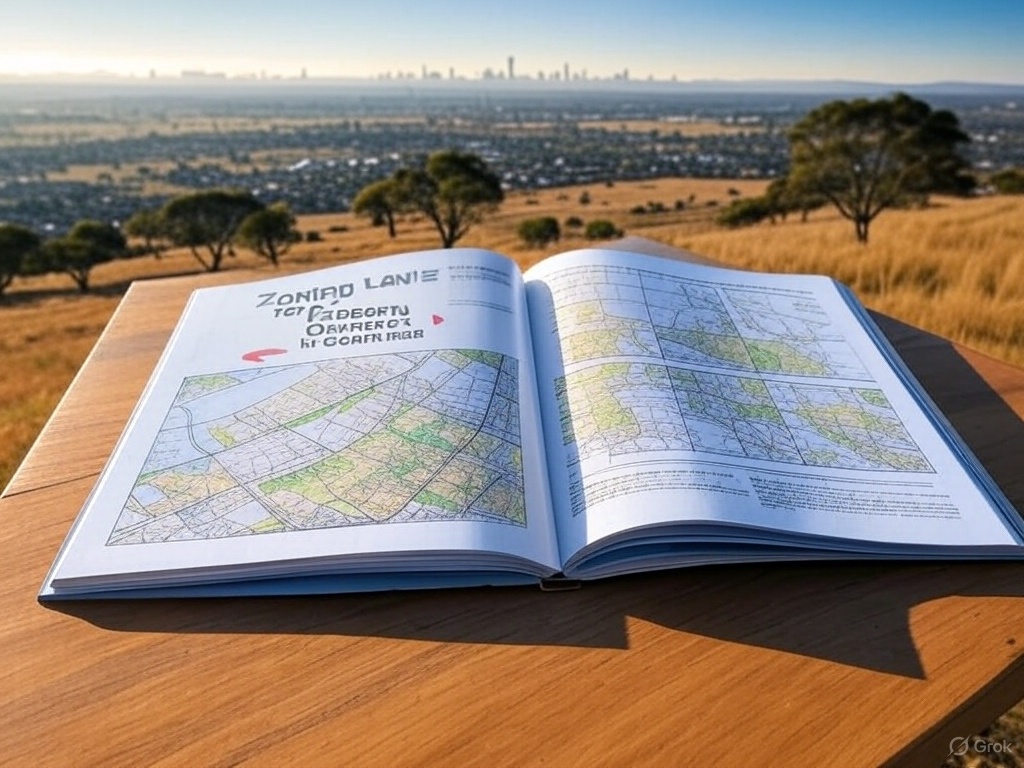
Zoning Laws: A Practical Guide for Property Owners in South Africa
Navigating the world of property ownership in South Africa comes with its share of complexities, and zoning laws sit at the heart of many decisions. Whether you’re a homeowner looking to renovate, a developer eyeing a new project, or an investor seeking to maximize returns, understanding zoning regulations is crucial. This comprehensive guide dives into the intricacies of South African zoning laws, offering practical insights to help property owners make informed choices. From residential zoning rules to rezoning processes, we’ll cover it all in detail to ensure you’re equipped to handle your property ventures with confidence.
What Are Zoning Laws and Why Do They Matter?
Zoning laws in South Africa are municipal regulations that dictate how land and property can be used within specific areas. These laws categorize land into zones—such as residential, commercial, industrial, agricultural, or mixed-use—each with its own set of permitted activities, building types, and restrictions. The primary goal is to promote orderly development, prevent conflicts between incompatible land uses, and protect the character and value of communities.
For property owners, zoning laws directly impact what you can do with your land. Want to build a second dwelling on your residential property? Open a small business from your home? Develop a block of flats? Zoning regulations will determine whether these plans are feasible and what steps you need to take to comply. Ignoring or misunderstanding these laws can lead to costly fines, legal disputes, or even forced demolition, making it essential to grasp their implications.
Long-Tail Keyword: Understanding zoning laws for property owners in South Africa
The Legal Framework Governing Zoning in South Africa
Zoning in South Africa is governed by a combination of national, provincial, and local legislation. The Spatial Planning and Land Use Management Act (SPLUMA) of 2013 is the cornerstone, providing a framework for land use planning and management. SPLUMA empowers municipalities to create zoning schemes and by-laws tailored to their jurisdictions, ensuring that development aligns with broader urban and rural planning goals.
At the local level, municipalities like the City of Johannesburg, Cape Town, or Tshwane enforce zoning through Town Planning Schemes or Zoning Scheme By-Laws. These documents outline specific zoning categories, permitted uses, and development parameters, such as building heights, coverage, and setbacks. Property owners can access these schemes at municipal offices or online portals to check the zoning status of their land.
Long-Tail Keyword: South African zoning laws and SPLUMA regulations
Common Zoning Categories in South Africa
Understanding the different zoning categories is the first step to navigating property use. Here’s a breakdown of the most common zones in South Africa:
1. Residential Zoning
Residential zones are designated for housing and related activities. They are further divided based on density and type of dwellings:
- Residential 1: Allows one dwelling per erf (stand), typically a single-family home. Coverage is usually limited to 40% of the plot, with restrictions on building height and outbuildings.
- Residential 2: Permits 10–20 dwellings per hectare, ideal for cluster homes or townhouses.
- Residential 3: Supports 21–40 dwellings per hectare, suited for secure estates or larger cluster complexes.
- Residential 4: Allows 41–120 dwellings per hectare, commonly used for blocks of flats.
- Residential 5: High-density zoning for apartment complexes in urban centers.
Long-Tail Keyword: Residential zoning categories for South African property owners
2. Commercial Zoning
Commercial zones cater to business activities and are subdivided based on the type and scale of operations:
- Business 1: General business zoning for retail, such as shopping centers or malls, with minimal restrictions on tenant types.
- Business 2: Similar to Business 1 but with restrictions, e.g., prohibiting certain businesses like liquor stores near schools.
- Business 3: Stricter zoning limiting the variety of businesses allowed.
- Business 4: Designated for office parks, sometimes with a residential component.
Long-Tail Keyword: Commercial zoning rules for businesses in South Africa
3. Industrial Zoning
Industrial zones are for manufacturing, warehousing, and related activities:
- Industrial 1: Covers factories, warehouses, and storage facilities.
- Industrial 2: For industries with noxious emissions, like abattoirs or foundries, with strict environmental controls.
- Industrial 3: For specialized workshops or mini-factories.
Long-Tail Keyword: Industrial zoning regulations in South Africa
4. Agricultural Zoning
Agricultural zones protect farmland and rural activities, restricting non-farming uses. Subcategories include undetermined land (for future agricultural use) and agricultural holdings.
Long-Tail Keyword: Agricultural zoning laws for South African landowners
5. Mixed-Use Zoning
Mixed-use zones allow a combination of residential, commercial, and sometimes industrial activities. These are increasingly popular in urban areas like Johannesburg and Cape Town, fostering vibrant, multi-purpose communities.
Long-Tail Keyword: Mixed-use zoning for property development in South Africa
How Zoning Laws Impact Property Use and Value – How zoning laws affect property value in South Africa
Zoning laws shape both the practical use of your property and its market value. Here’s how:
Designated Use and Restrictions
Zoning dictates what activities are allowed. For example, a Residential 1 property cannot be used for commercial purposes without rezoning or a consent use application. Violating these rules can result in penalties or legal action, so it’s critical to verify zoning before purchasing or altering a property.
Development Guidelines
Zoning regulations include parameters like:
- Building Height: Limits the number of stories (e.g., 10–11m for Residential 1).
- Coverage: The percentage of the plot that can be built on (e.g., 40% for Residential 1).
- Setbacks: The distance buildings must be from property boundaries.
- Floor Area Ratio (FAR): The total floor space allowed relative to the plot size.
These rules ensure uniformity and prevent overcrowding, preserving neighborhood aesthetics and functionality.
Desirability and Marketability
Strict zoning often enhances property value by maintaining desirable environments. Residential properties in quiet, well-regulated suburbs typically fetch higher prices than those near industrial zones, where noise or pollution may deter buyers.
Investment Potential
Zoning can unlock or limit investment opportunities. A commercially zoned property in a bustling business district benefits from high foot traffic, increasing rental and resale value. Conversely, restrictive zoning may cap development potential, affecting profitability.
Long-Tail Keyword: How zoning laws affect property value in South Africa
Navigating the Rezoning Process – How to apply for rezoning in South Africa
If your property’s zoning doesn’t align with your plans—say, you want to convert a Residential 1 plot to Residential 3 for multiple units—you’ll need to apply for rezoning. This process changes the zoning designation to permit your desired use. Here’s a step-by-step guide:
- Check Existing Zoning: Visit your municipality’s planning office or website to confirm your property’s zoning and applicable regulations.
- Consult a Town Planner: A professional town planner can assess feasibility, prepare documentation, and guide you through the process, saving time and reducing errors.
- Prepare Documentation: Typical requirements include:
- A motivation letter explaining the proposed change.
- Site plans and architectural drawings.
- Proof of ownership (title deed).
- Neighbor consent (if required).
- Environmental impact assessments (for certain projects).
- Submit Application: File your rezoning application with the municipality, paying the required fees.
- Public Participation: Municipalities often require public notices or consultations with neighbors to address objections.
- Municipal Review: The application is evaluated against the municipality’s spatial development framework and zoning scheme. This can take months, depending on complexity.
- Approval or Rejection: If approved, the new zoning is recorded, and you can proceed. If rejected, you may appeal or revise your plans.
Rezoning is time-consuming and costly, so it’s wise to purchase properties with the desired zoning already in place, especially for large-scale developments.
Consent Use Applications: A Flexible Alternative – Consent use applications for South African properties
For minor deviations from zoning rules—like running a guesthouse on a Residential 1 property—you can apply for a consent use instead of full rezoning. This process is simpler and faster, as it seeks municipal permission for a specific use without changing the zoning category. For example, in Johannesburg, a Residential 1 property might be approved for a tavern with consent, while Tshwane may not allow this.
Practical Tips for Property Owners – Tips for navigating zoning laws in South Africa
To make the most of zoning laws, keep these tips in mind:
- Do Your Homework: Before buying, check the zoning of the property and surrounding areas. An estate agent or town planner can provide insights.
- Understand Restrictions: Review the title deed and zoning scheme for limitations, such as height or density caps.
- Plan for the Long Term: Zoning designations can change over time, affecting future value. For instance, a residential property near a growing commercial zone may appreciate as businesses move in.
- Hire Experts: Town planners, land surveyors, and attorneys can streamline zoning-related processes and ensure compliance.
- Engage the Community: For rezoning or consent use, consult neighbors early to minimize objections and speed up approvals.
- Stay Updated: Municipalities periodically revise zoning schemes, so monitor changes that could impact your property.
Zoning and Sustainable Development – Zoning laws and sustainable development in South Africa
Zoning laws play a vital role in promoting sustainable development. By separating incompatible uses—like factories from homes—they protect public health and the environment. Agricultural zoning preserves farmland, while mixed-use zones reduce urban sprawl by integrating residential and commercial spaces. Property owners can contribute by adhering to zoning rules and exploring eco-friendly development options, such as energy-efficient buildings or green spaces.
Challenges and Opportunities in Zoning = Challenges of zoning laws for South African property owners
While zoning laws ensure order, they can pose challenges. The rezoning process is often lengthy and bureaucratic, delaying projects and increasing costs. Strict regulations may limit creative land use, especially in high-demand urban areas. However, opportunities abound:
- Mixed-Use Developments: The rise of mixed-use zoning in cities like Pretoria and Cape Town creates vibrant, economically viable communities.
- Value Appreciation: Rezoning to a higher-density or commercial category can significantly boost property value.
- Community Benefits: Well-planned zoning enhances quality of life, attracting residents and businesses.
Case Studies: Zoning in Action – Real-life zoning law examples in South Africa
- Midrand Rezoning Success: A developer in Midrand rezoned a Residential 1 plot to Residential 3, allowing 20 dwelling units. The project addressed housing demand and increased the property’s value tenfold.
- Cape Town Mixed-Use Boom: A mixed-use development in Woodstock combined residential flats, retail shops, and offices, leveraging flexible zoning to create a thriving urban hub.
- Johannesburg Consent Use: A homeowner in Sandton obtained consent to run a guesthouse on a Residential 1 property, generating income without rezoning.
Conclusion
Zoning laws are a cornerstone of property ownership in South Africa, shaping how land is used and valued. By understanding zoning categories, navigating rezoning and consent use processes, and staying informed, property owners can unlock their land’s potential while complying with regulations. Whether you’re building a dream home, launching a business, or investing in development, zoning knowledge is your key to success. Consult professionals, plan strategically, and embrace the opportunities that well-managed zoning offers.
Hashtags: #SouthAfricaZoningLaws #PropertyOwnershipSA #ZoningRegulations #ResidentialZoningSA #CommercialZoning #RezoningProcess #PropertyDevelopmentSA #SustainableDevelopment #MixedUseZoning #TownPlanningSA


Join The Discussion