

Understanding Cap Rates in Real Estate: A Comprehensive Guide for Cape Town Property Investors
Understanding Cap Rates in Real Estate: An Overview
Published on December 17, 2025 | By The Cape Town Property Group
Understanding cap rates in real estate is crucial for making informed investment decisions. By grasping this concept, you can better evaluate property values in Cape Town’s diverse market.
In the vibrant and competitive Cape Town property market, where iconic landmarks like Table Mountain blend with world-class investment opportunities, savvy investors rely on key metrics to evaluate deals. One of the most essential is the capitalization rate (commonly known as cap rate). This guide explains what a cap rate is, how to calculate it, its limitations, and how it applies to Cape Town’s residential, commercial, and luxury property sectors.

Understanding cap rates in real estate also involves recognising how these rates fluctuate in response to market dynamics, which is essential for any investor.
Caption: Cape Town’s stunning skyline featuring Table Mountain and modern property developments – a prime example of high-demand investment areas.
Investors should focus on understanding cap rates in real estate when considering properties in emerging neighbourhoods, as these areas often yield higher returns.
What is a Cap Rate in Real Estate?
Understanding Cap Rates in Real Estate: Importance and Implications
A cap rate is a metric that measures the potential return on a property investment based on its net operating income (NOI) relative to its purchase price. It’s expressed as a percentage and provides a snapshot of the property’s income yield in the first year, assuming no debt.
Cap Rate Formula: Cap Rate = Net Operating Income (NOI) ÷ Property Purchase Price × 100
For example, if a Cape Town commercial property generates R800,000 in annual NOI and costs R10,000,000, the cap rate is 8%.
This simple calculation helps investors compare properties quickly, especially in markets like the V&A Waterfront or Cape Town CBD.

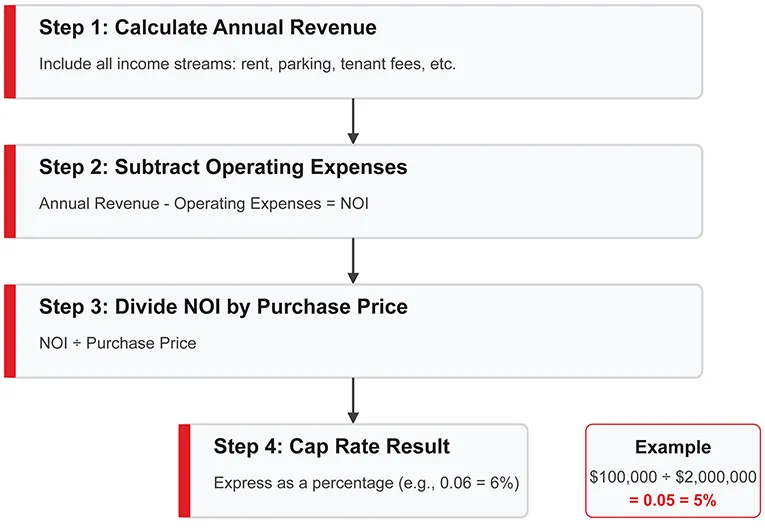
Caption: Visual representation of the cap rate formula and calculation example.
How to Calculate Cap Rate: Step-by-Step Flowchart
Calculating a cap rate is straightforward. Here’s a clear flowchart to guide you:
What is a Cap Rate in Commercial Real Estate | What is a Good Cap Rate?
Ultimately, understanding cap rates in real estate is not only about calculations but also about strategic investment planning.
Caption: Flowchart illustrating the process of calculating and applying cap rates in property valuation.
You can also reverse the formula to estimate property value: Property Value = NOI ÷ Cap Rate
In growing areas like Clifton or the Atlantic Seaboard, lower cap rates often reflect strong expected growth.
Why Cap Rates Matter: The Link to Perpetuity Value and Growth
At its core, a cap rate is similar to valuing a perpetuity – an infinite income stream with no growth.
No-Growth Perpetuity Formula: Value = Annual Income ÷ Required Return Rate
With growth (common in Cape Town due to tourism and population influx), the formula adjusts:
Value = NOI ÷ (Required Return – Expected NOI Growth Rate)
For aspiring investors, understanding cap rates in real estate can demystify the complexities of property valuation and investment strategies.

Two terminal value methods: Perpetuity Growth and Exit Multiple | Tim Vipond, FMVA® posted on the topic | LinkedIn
Caption: Infographic explaining perpetuity value in real estate, including growth adjustments.
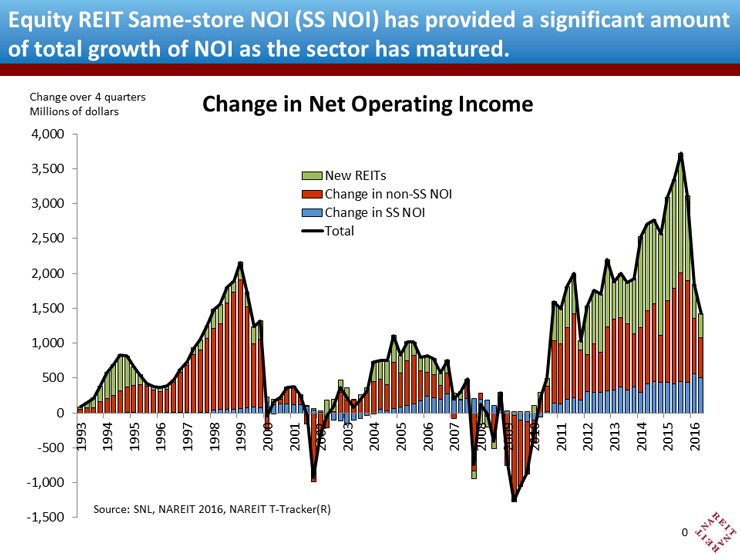
NOI growth drives appreciation. In Cape Town, contractual rent increases and market demand often yield 2-4% annual growth in prime locations.
Growth of REIT NOI: Signs of a Maturing Sector | Nareit
Caption: Chart showing how NOI growth contributes to real estate value appreciation over time.
Cap Rate Compression and Expansion: Market Cycles in Cape Town
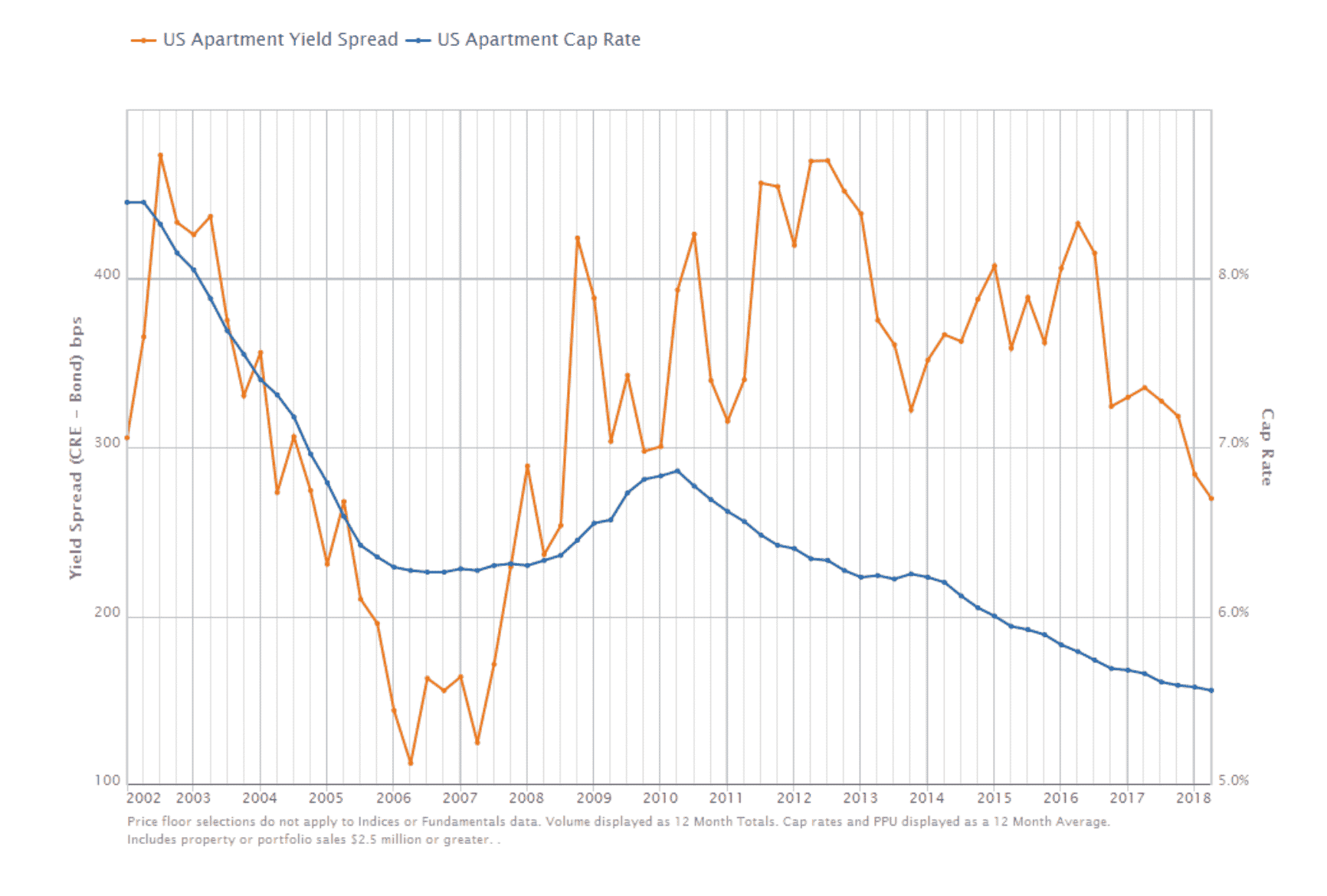
Cap rates fluctuate with economic conditions:
- Compression (lower cap rates): Strong growth and low interest rates push values higher.
- Expansion (higher cap rates): Economic slowdowns or rising rates lower values.
Cap Rate Expansion vs. Compression Explained | FNRP
Caption: Historical graph demonstrating cap rate compression and expansion trends.
In Cape Town, premium areas like the V&A Waterfront and Clifton often experience compression due to limited supply and high demand.
Whether you are a seasoned investor or a novice, understanding cap rates in real estate will enhance your decision-making process.
As you explore Cape Town properties, the importance of understanding cap rates in real estate cannot be overstated.

Caption: Aerial views of V&A Waterfront and luxury Clifton properties – areas known for favourable cap rates.
Factors Influencing Cap Rates in Cape Town Properties
Several local factors affect cap rates:
- Location and Demand: Prime spots like Cape Town CBD see lower caps.
- Lease Terms and Tenant Credit: Long-term leases reduce risk.
- Replacement Cost and Supply: Constrained markets support compression.
- Rent Levels: Below-market rents offer upside potential.

Popular Office Buildings in Cape Town CBD | Cape Space
Caption: Modern commercial office buildings in Cape Town CBD.
Going-In vs. Exit Cap Rates: Mitigating Risks
The going-in cap rate uses first-year NOI. The exit cap rate (often slightly higher) estimates sale value. Conservative underwriting protects against expansion risks.
At The Cape Town Property Group, we prioritise NOI growth through strategic improvements and thorough market analysis.

Caption: Investment opportunities and luxury interiors in Cape Town properties.
Understanding cap rates in real estate trends will empower you to make well-informed investment choices.
FAQs About Cap Rates
What is a good cap rate in Cape Town? It varies: 5-8% for residential, 6-10% for commercial. Depends on location, growth potential, and interest rates.
How do interest rates affect cap rates? Rising rates often lead to cap rate expansion and lower property values.
What’s the difference between going-in and exit cap rate? Going-in is based on purchase NOI; exit is the assumed rate at sale for calculating returns.
Key Takeaways on Understanding Cap Rates in Real Estate for Cape Town Investors
- Cap rates provide a quick yield snapshot but blend return requirements and growth expectations.
- In Cape Town’s dynamic market, focus on NOI growth and conservative exit assumptions.
- Use cap rates alongside DCF analysis for informed decisions.
Ready to explore Cape Town property investments? Contact The Cape Town Property Group for personalised advice on maximising returns in this exceptional market.
Understanding Cap Rates in Real Estate
In summary, understanding cap rates in real estate is vital for achieving success in property investment, especially in today’s market.
Manual for Foreign Investors in the South African Property Market
Cape Winelands Airport Expansion Promises Economic Boost and First-World Vision for Western Cape
The financial community widely acknowledges that understanding cap rates in real estate is a fundamental skill for property investors.


Join The Discussion